Make a Lasting Impression: The Professional Photography Business Card
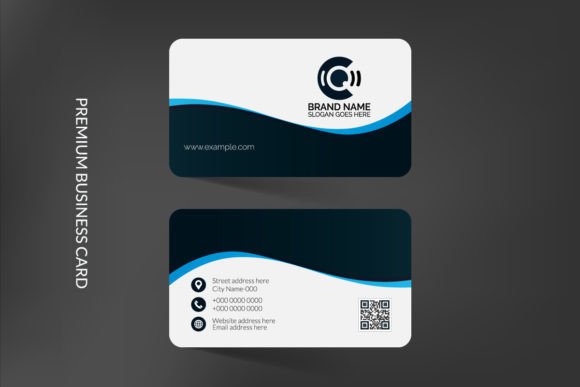
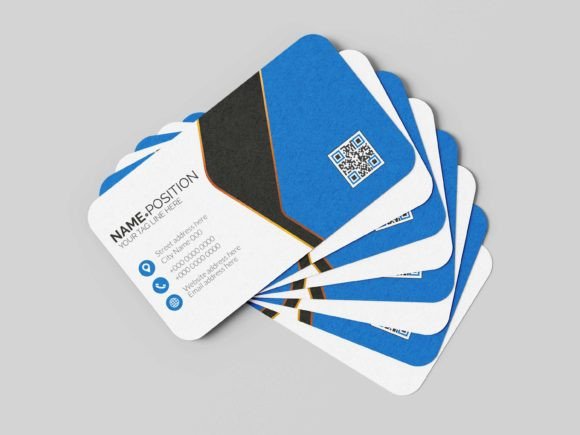
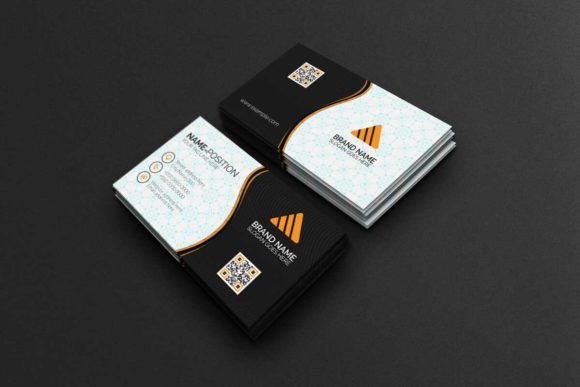
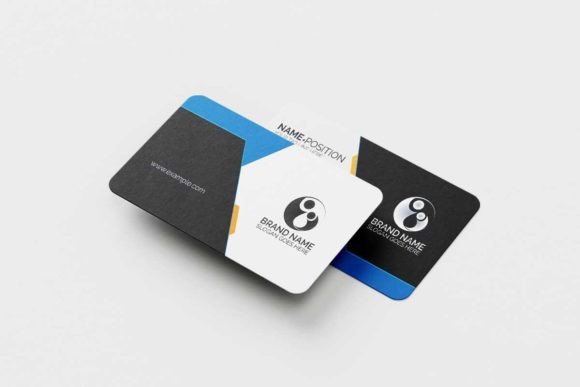
In the world of professional photography, your work speaks volumes, but your business card is often the first tangible connection a potential client has with your brand. It’s a small canvas that carries the weight of your entire visual identity. A flimsy, generic card can undermine even the most stunning portfolio, while a thoughtfully designed one acts as a seamless extension of your artistic vision. This is precisely why a clean, well-structured template, like the Photography Business Card designed for professionals, becomes an invaluable asset. It’s not just about contact information; it’s about crafting an experience that begins the moment someone holds your card in their hand.
The Anatomy of a Clean Design
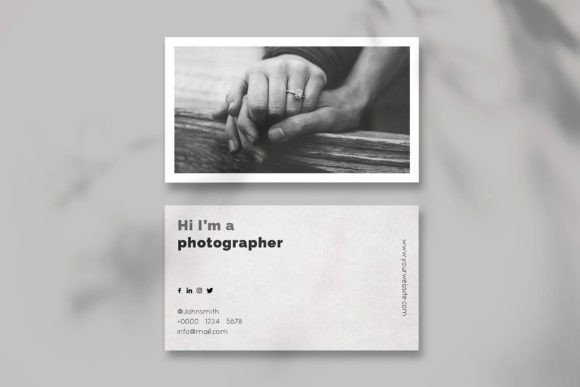
What makes a business card template feel both modern and timeless? It often comes down to a foundation of clean design principles. This particular template leverages a sophisticated font pairing—Ikaros and Raleway—that balances personality with professionalism. Ikaros, with its geometric sans-serif structure, offers a contemporary, architectural feel perfect for headings and logos, while Raleway provides exceptional readability for smaller text like your details. The design embraces generous white space, allowing your logo and information to breathe, which prevents visual clutter and directs the viewer's eye exactly where it needs to go. This minimalist approach ensures your photography, not your typography, remains the star of the show.
For the photographer juggling client edits and shoots, the practical features of a template are a game-changer. Knowing it’s print-ready at 300 DPI with CMYK color settings removes the guesswork and anxiety from the printing process. The bleeding available ensures your design extends perfectly to the edges without awkward white borders. Perhaps most importantly, the grouped and well-organized layers in the Adobe Photoshop file mean you’re not starting from a blank slate. You’re customizing a professional framework, which saves countless hours and eliminates the frustration of untangling messy files. It’s designed for efficiency, allowing you to focus on what you do best—capturing moments.
Practical Applications Beyond the Studio
While the primary function is clear, the design principles and assets within a Photography Business Card template have far-reaching applications for building a cohesive brand identity. The clean typography and balanced layout can serve as a cornerstone for your entire visual language. Consider extracting the font pairing and layout style to create:
- Social Media Graphics: Maintain a consistent look for Instagram story templates, Pinterest pins, or Facebook ads that feel unmistakably yours.
- Website and Blog Elements: Use the same modern typography for headers and pull quotes on your website, creating a seamless transition from print to digital.
- Marketing Collateral: Design matching thank-you cards, referral slips, or mini portfolio flyers that reinforce your brand with every piece of correspondence.
- Digital Products: If you sell presets, guides, or online courses, the template’s aesthetic can help design e-book covers or course materials that look polished and professional.
This approach to design assets is about working smarter, not harder. By using a unified set of fonts and a consistent design style, you build immediate brand recognition. A client who received your card will instantly recognize your Instagram post or website header, fostering a sense of trust and familiarity that is crucial in a competitive market.
Making Smart Typography Choices
Choosing a font is a strategic decision that goes beyond personal taste. The Ikaros and Raleway pairing included here is a masterclass in contrast and harmony. Ikaros, as a display font, has enough character to make a statement without being distracting, making it ideal for your studio name or a monogram. Raleway, a versatile sans-serif, excels in legibility for paragraphs and fine print, ensuring your phone number and email are easily readable even at small sizes. When selecting a typeface for any project, always consider the context. A wedding photographer might lean towards a more delicate script font for accents, while a commercial architectural photographer would benefit from the clean, stable lines of a geometric sans-serif like Ikaros.
Always test your font pairings in the actual context of the design. View the business card at its final print size. Check that the contrast between the heading and body fonts is clear but not jarring. Review the included font styles—do you have the necessary weights (light, regular, bold) to create hierarchy? Remember, readability is paramount. A beautifully styled card that’s difficult to read fails at its primary job. Finally, while many premium fonts are free for personal use, always verify the commercial licensing for any font used in client work or for sale. This template’s use of free, commercially licensed fonts is a significant advantage, providing peace of mind as you build your business.
Your business card is more than paper; it’s a tactile ambassador for your brand. Investing in a clean, professional template ensures that every introduction you make is as polished and intentional as the photographs you create. It’s the first frame in the story of your professional relationship with a client, and it’s one worth getting right.