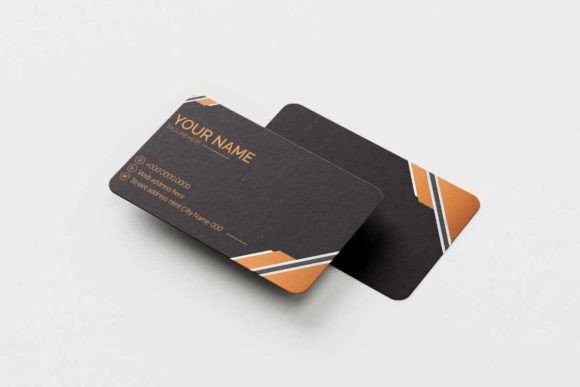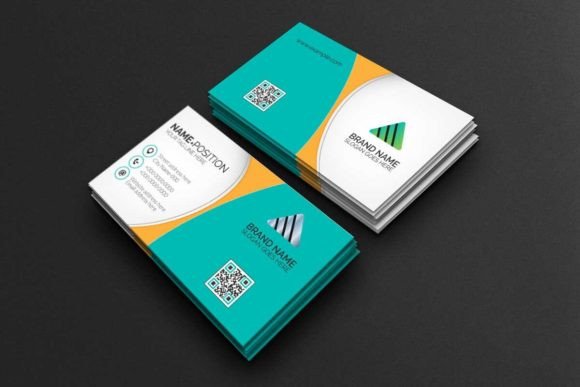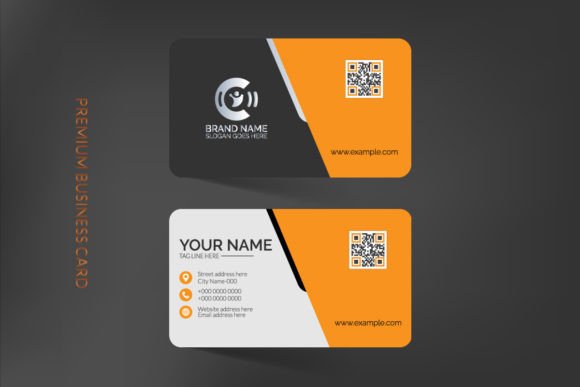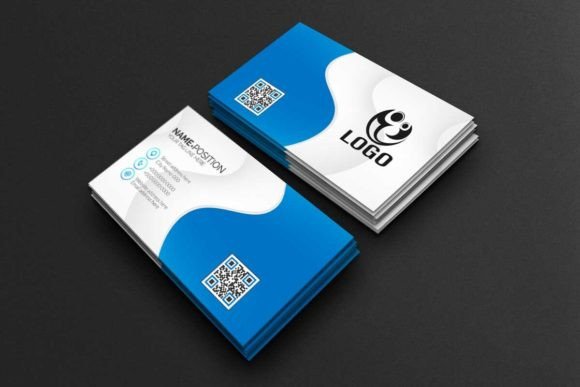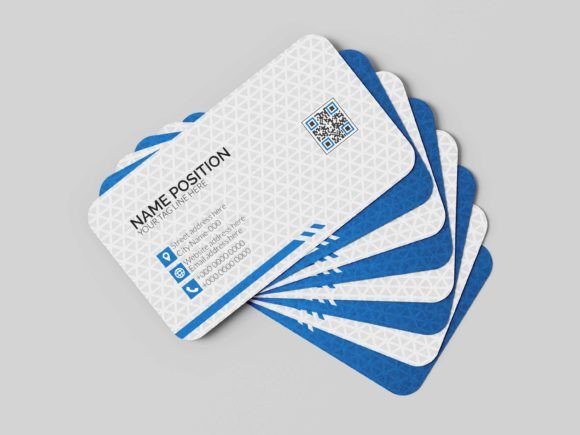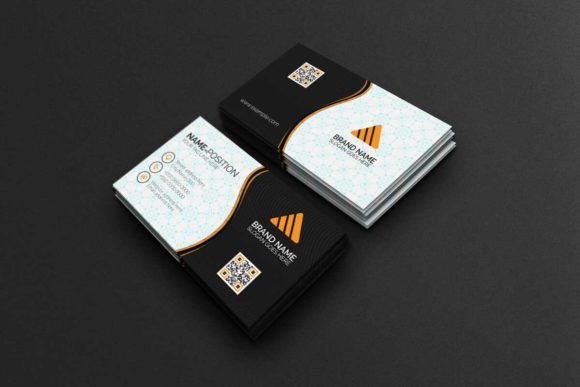
Professional Business Card Template: Design Your Perfect First Impression
You have about seven seconds to make a first impression, and in the business world, that moment is often physical. While digital networking is efficient, the tactile experience of handing over a thick, premium piece of cardstock cannot be replicated. Yet, many entrepreneurs and freelancers struggle with the design phase. Staring at a blank artboard in Illustrator can be paralyzing, and hiring a professional designer isn't always in the initial startup budget. This is where having a high-quality foundation becomes invaluable. A professionally structured Business Card Template isn't just a shortcut; it is a strategic design asset that bridges the gap between a DIY approach and a polished, agency-level brand identity.
The Anatomy of a Premium Design Asset
Not all templates are created equal. A quick search online will yield thousands of "free" downloads, but most of them result in pixelated prints, incorrect color modes, or uneditable layers. When you are building a brand, you need assets that are built on a solid technical foundation. A truly elegant and premium template is defined by its compatibility and file structure. For instance, this specific template is designed for the industry standard: Adobe Photoshop and Adobe Illustrator.
Why does this matter? Because professional printing requires vector shapes and raster stability. When a template includes IDML files, it ensures that even if you are using slightly different versions of the software, the layout remains intact. Furthermore, the inclusion of separate layers is crucial for customization. You aren't just moving a flat image around; you are interacting with individual elements that can be tweaked, recolored, or removed entirely without destroying the rest of the design. This level of modularity is what separates a hobbyist project from a professional presentation.
Technical Precision: Why Specs Matter for Print
One of the most common pitfalls in print materials is the misunderstanding of technical specifications. You might design a beautiful card on your screen, only to have it come back from the printer with white edges or blurry text. This is usually due to a lack of bleeds or incorrect resolution.
This template solves those issues immediately by adhering to strict print standards:
- CMYK Color Mode: Unlike RGB (Red, Green, Blue), which is used for screens, CMYK (Cyan, Magenta, Yellow, Key/Black) is the language of professional printing. This template is pre-configured for CMYK, ensuring that the colors you see on your calibrated monitor are closer to what you get in the final batch.
- 300 DPI Resolution: "Dots Per Inch" determines the sharpness of an image. Web graphics are typically 72 DPI. At 300 DPI, your text and imagery will be crisp, clean, and free of the jagged edges often seen in low-quality prints.
- Built-in Bleeds: The inclusion of bleeds is non-negotiable for edge-to-edge printing. It ensures that if the cutting machine shifts slightly during production, you won't end up with an awkward white sliver on the side of your card.
- Standard Sizing: The download includes the standard US dimensions of 3.5×2 inches, as well as the vertical 2×3.5 inches option. Having both orientations ready to go saves you the hassle of manually resizing and realigning elements.
Strategic Branding and Visual Consistency
A business card is rarely a standalone item. It is the cornerstone of your brand identity. If you are a photographer, a consultant, or a boutique owner, your card needs to match the aesthetic of your website, your social media graphics, and your packaging design.
Because this template utilizes vector shapes, it is infinitely scalable. This is a massive advantage for logo design and broader branding efforts. You can take the design elements from the card—perhaps a specific layout style or a decorative flourish—and resize them for a poster or a website header without losing quality. The vectors remain sharp whether they are printed on a tiny card or a large banner.
Moreover, the template promotes visual consistency. By using the provided paragraph styles, you ensure that your typography remains uniform. It is easy to accidentally mix up font weights or line spacing when designing from scratch. A structured template locks these elements into a harmonious relationship, ensuring that your contact information is legible and your name is prominent. This consistency builds brand recognition; when a client sees your card, they should instantly recognize the same visual language they see on your Instagram feed or your invoice.
Typography and Readability: The "Free Font" Advantage
Typography is the voice of your design. A common issue with generic templates is the use of proprietary fonts that cost extra money to license, or worse, fonts that are impossible to read at small sizes. This particular template includes links to free fonts, which removes the barrier of entry. You don't need to purchase expensive typefaces to get a high-end look.
However, just because a font is free doesn't mean it lacks personality. When customizing your card, consider the psychology of the typeface. Are you a law firm? You might want a sturdy serif font that conveys tradition and trust. Are you a modern tech startup? A clean sans serif font might better communicate efficiency and innovation. If you are a florist or a wedding planner, a delicate script font could add that necessary touch of elegance.
The key is readability. While a handwritten font might look beautiful in a header, it can be disastrous for a phone number or email address. Use the template’s structure to pair a decorative display font for your name with a highly legible body font for your details. This balance ensures that your card is not only beautiful but functional. You want people to be able to reach you, not squint at the card trying to decipher a stylized "a" from an "o."
Practical Applications Beyond the Card
While the primary function is obvious, the versatility of a high-quality layout extends far beyond a 3.5x2 inch rectangle. Creative professionals often repurpose these design assets for various projects. Here is how you can leverage this file for other aspects of your business:
- Digital Products & Web Design: The layout principles used in editorial design and print often translate beautifully to web "About" sections or digital product covers. You can extract the design elements to create cohesive marketing assets for email signatures or PDF guides.
- Social Media Graphics: Need a quick Instagram Story highlight cover or a LinkedIn banner? By utilizing the separate layers and vector shapes, you can adapt the card design into square or vertical formats for social media graphics, maintaining that consistent brand look.
- Invitations and Events: If you are hosting a workshop, a launch party, or a client appreciation event, you can use the template to create stylish invitations. The premium font choices included in the download will ensure your event looks exclusive.
- Packaging Inserts: For those selling physical goods, a thank-you card is a powerful tool for customer retention. You can easily modify the template to create small inserts that fit inside your packaging, reinforcing your brand identity with every shipment.
Customization: Making the Template Your Own
The beauty of a fully customizable template lies in the "Easy Customize" promise. But what does that actually look like in practice? It means you aren't locked into the creator's color palette or layout.
When you open the AI file in Adobe Illustrator, you will find that the design is organized logically. This allows you to swap out color swatches to match your specific brand hex codes in seconds. Because the text is editable and linked to free fonts, you can type your own details directly onto the artboard.
However, customization should be approached with restraint. It is tempting to add more elements, more colors, or more effects. Resist this urge. The value of a premium business card template is often in its negative space—the areas left empty to let the content breathe. Trust the designer's original intent regarding margins and spacing. Your job is to inject your specific brand personality into the existing framework, not to clutter it.
Final Thoughts on Professional Presentation
In a saturated market, the details matter. Whether you are a content creator meeting a brand partner, a small business owner closing a sale, or a freelancer networking at a conference, your business card is a physical artifact of your professionalism. Utilizing a structured, high-specification template ensures that you are starting with a winning hand. It removes the technical guesswork, guarantees print-readiness, and provides a canvas for you to showcase your brand in the most stylish way possible. With the right tools and a clear vision, your business card can become your most effective marketing tool.