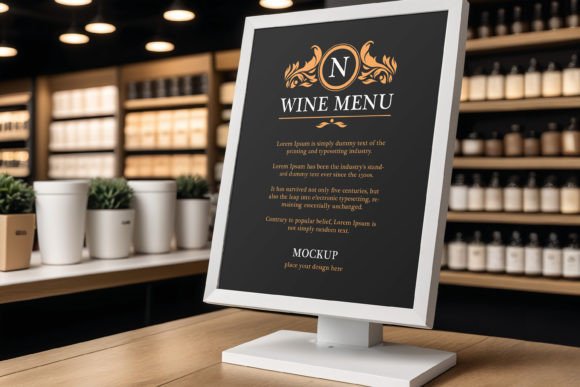
Crafting the Perfect First Impression: The Art of the Wine Menu Mockup
Imagine walking into a dimly lit wine bar. The air smells of old wood and new possibilities. Before you even taste a drop, a beautifully crafted menu is placed in your hands. The paper feels substantial, the typography whispers of sophistication, and a stunning image of a deep red wine catches your eye. This isn't just a list of drinks; it's an invitation, a promise of the experience to come. This is the power of a thoughtfully designed wine menu, and for designers and business owners, starting with a high-quality Wine Menu Mockup is the first step in creating that magic.
More Than a List: Building a Brand Story on a Page
A wine menu is a critical touchpoint for your brand identity. It's a physical (or digital) artifact that communicates your establishment's personality long before the sommelier speaks. The right design doesn't just present information; it tells a story. Is your restaurant a rustic Italian osteria? A sleek, modern wine lounge? A cozy French bistro? The visual language of your menu—its colors, textures, and especially its typography—must align with that narrative.
This is where a versatile Wine Menu Mockup becomes an indispensable design asset. It allows you to visualize how your chosen typeface interacts with your logo, your color scheme, and the overall aesthetic. A script font might evoke classic elegance, while a clean sans serif font can signal contemporary chic. The mockup lets you experiment with these choices in a realistic context, ensuring the final product feels cohesive and intentional, strengthening your brand recognition with every glance.
The Anatomy of an Effective Wine Menu Design
A successful menu balances visual appeal with practical clarity. It should be a pleasure to look at and effortless to navigate. Here’s how to achieve that equilibrium using a professional mockup as your foundation.
Visual Allure That Captivates: First, attract the eye. Use the mockup to integrate high-quality, colorful images of your featured wines or vineyards. Play with elegant font pairings—perhaps a bold display font for headings and a highly readable serif font for descriptions. The style should be a direct reflection of your brand. A menu for a Spanish tapas bar might use warm, earthy tones and a slightly rustic texture, while a Japanese sake and wine bar could opt for minimalist layouts and a monochromatic palette.
Clarity That Guides the Choice: Beneath the beauty, information must be king. Each wine entry should be a mini-story, providing clear, essential details: the name, grape variety, region, vintage, a concise taste description, and the price. The layout must make this information easy to scan. Good typography and readability are non-negotiable here. Use your mockup to test font sizes, line spacing, and contrast. Can a guest quickly find the Pinot Noir section? Does the price stand out without being jarring? The goal is to enhance the visitor's experience, not frustrate it.
From Mockup to Marketing: Practical Applications for Your Design
The value of a polished wine menu design extends far beyond the table. The visual system you create can become the cornerstone of your broader marketing assets. The same elegant typography and color palette used in the mockup can be seamlessly adapted for:
- Social Media Graphics: Create consistent, on-brand posts promoting new arrivals or happy hour specials.
- Website and Blog Design: Carry the menu's aesthetic to your digital presence for a unified guest experience.
- Packaging and Merchandise: Design branded wine labels, gift boxes, or merchandise like glasses and apparel.
- Print Collateral: Develop invitations for tasting events, posters, or table tents that all share the same visual consistency.
This approach transforms a single menu into a comprehensive brand identity system, saving you time and ensuring professionalism across every customer interaction. The mockup file, with its high resolution and layered format, is built for this kind of multi-platform exploration.
Choosing and Pairing Your Typography Like a Sommelier
Selecting the right font is akin to pairing wine with food—it’s about harmony and contrast. A premium font collection often includes multiple styles, giving you the tools to create a perfect pairing for your menu.
Consider the Mood: For a traditional steakhouse, a sturdy, classic serif font conveys reliability and timelessness. A trendy urban wine bar might benefit from a geometric sans serif font for a clean, modern feel. A handwritten font can add a personal, artisanal touch, perfect for a boutique producer's tasting room.
Prioritize Readability: Always test your chosen typeface at the actual size it will be printed. An overly ornate script font might be beautiful for a header but will become illegible in a paragraph of tasting notes. Use the mockup to print a test page or view it on different screens. Ensure there is enough contrast between the text and the background color.
Master the Pairing: The most effective menus use a strategic font pairing. A common and successful approach is to combine a distinctive display font for headings (like the wine regions or categories) with a highly readable body font for the descriptions. This creates a clear visual hierarchy, guiding the reader's eye naturally through the information. Your Wine Menu Mockup is the perfect sandbox to experiment with these combinations before committing to a final design.
Final Thoughts: Elevating the Everyday Experience
In the end, a wine menu is so much more than a functional document. It is a silent ambassador for your brand, a guide for your guests, and a piece of editorial design that can enhance the entire dining experience. By starting with a robust and versatile Wine Menu Mockup, you give yourself the creative freedom to build something that is both beautiful and brilliantly effective. It’s about crafting a harmonious combination of visual delight and clear information that invites guests to explore, discover, and enjoy—turning a simple list into a memorable part of their visit. Whether you're a designer presenting a concept to a client or a business owner building your own creative font portfolio, this tool is about bringing a polished, professional vision to life.