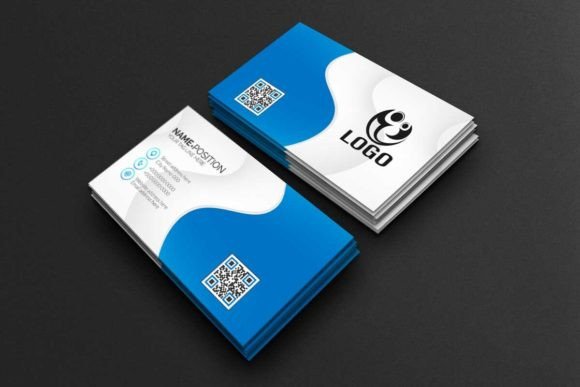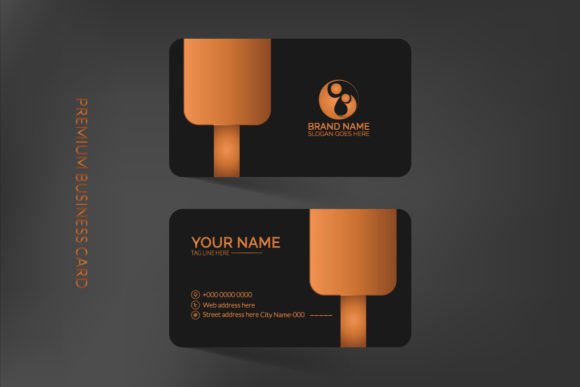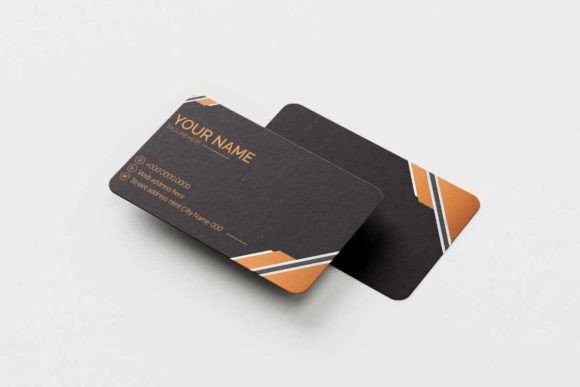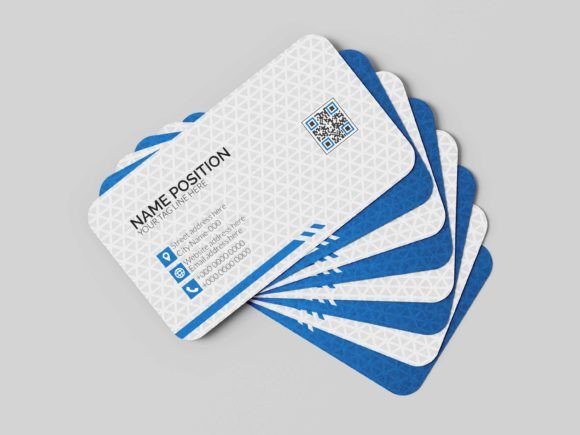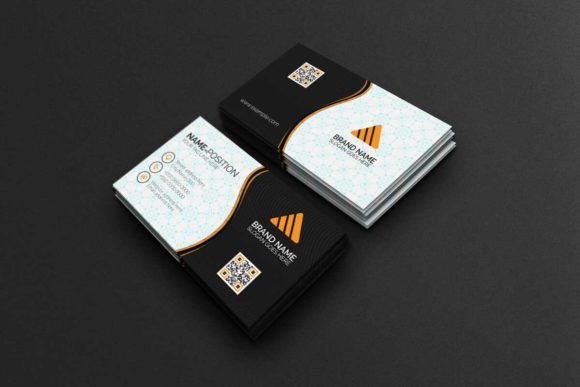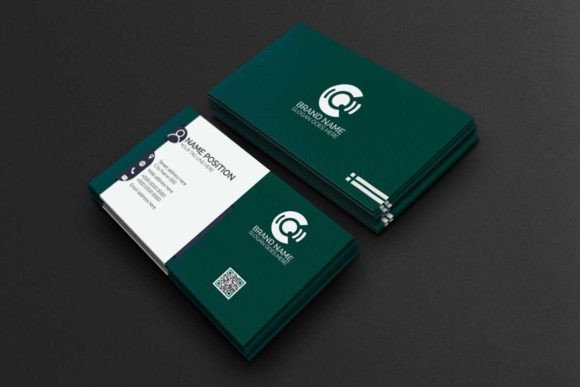
Elevate Your Professional Image with a Stylish Card Design
First impressions are made in seconds, and in the professional world, your business card often serves as that critical initial handshake. A flimsy, poorly designed card can undermine your credibility before a single word is spoken. Conversely, a sleek, thoughtfully crafted card conveys confidence, attention to detail, and a clear brand identity. This is where a high-quality, customizable template becomes an invaluable asset for entrepreneurs, freelancers, and established businesses alike. It removes the guesswork from the design process, providing a polished foundation that you can personalize to perfectly represent your unique brand.
Why a Premium Template Matters More Than You Think
Opting for a generic, free template from the web might seem cost-effective, but it often leads to a final product that looks amateurish or, worse, identical to countless others. A premium business card template is engineered from the ground up for professionalism and impact. The one described here isn't just a static image; it's a comprehensive design system. With full compatibility for Adobe Photoshop and Illustrator, it offers the flexibility of professional-grade software. The inclusion of IDML files ensures compatibility across different versions, while pre-set bleeds, paragraph styles, and organized layers take the technical headache out of the equation. You're not just buying a picture of a card; you're investing in a structured, editable project file that respects the standards of print production.
The Anatomy of a Truly Functional Design Asset
Let's break down what makes this particular stylish business card template a practical tool. The technical specifications are the bedrock of its utility. Working in CMYK color mode at 300dpi guarantees that the vibrant on-screen design translates accurately to crisp, professional print. The standard 3.5x2 inch size (with a vertical option) meets universal printing requirements, ensuring no surprises at the print shop.
But the real value lies in its customizable nature. Vector shapes mean your logo and graphics remain sharp at any size, crucial for maintaining quality if you need to resize elements. The use of free, accessible fonts is a significant practical advantage—it means you won't be hit with unexpected licensing fees later, and you can easily share or collaborate on the design. The entire package is delivered in a ZIP archive, with a single AI file containing both the front and back of the card, streamlining your workflow. This isn't just a template; it's a complete, ready-to-implement branding kit.
From Template to Tangible Brand Identity
A business card doesn't exist in isolation. It's a core component of your broader brand identity, and its design should echo across all your touchpoints. The style, color palette, and typography you choose for your card should inform your logo design, website aesthetics, social media graphics, and even packaging. This template serves as a perfect starting point for establishing that visual consistency. Its elegant, premium aesthetic can be adapted to suit a minimalist tech startup, a sophisticated consultancy, or a creative boutique. By customizing this single asset, you begin building a cohesive visual language that enhances brand recognition and builds trust with your audience.
Consider the practical applications beyond the card itself. The design elements and layout principles can inspire your email signatures, presentation templates, and letterheads. The color scheme can be pulled for your Instagram stories or blog graphics. This approach ensures that every piece of communication feels intentionally designed and connected, reinforcing your professional image at every opportunity. It’s about creating a system, not just a single piece of print.
Making It Uniquely Yours: Practical Customization Tips
Once you have the template, the creative process begins. The goal is to transform a beautiful generic design into a powerful personal brand ambassador. Start with your logo. Place it prominently, ensuring it has enough breathing room. Use the pre-existing paragraph styles as a guide for your text hierarchy—your name and title should be the most prominent, followed by contact information. Don't feel bound by the placeholder colors; update the swatches to match your exact brand palette for perfect alignment.
Play with the layers. Perhaps you can introduce a subtle texture to the background or add a spot UV coating design element on a separate layer to discuss with your printer. The beauty of a layered file is this non-destructive experimentation. Remember, the card's back is prime real estate. Use it for a larger logo, a tagline, a QR code linking to your portfolio, or a compelling visual that captures your brand's essence. The template provides the structure; your brand's story provides the soul.
Ensuring Readability and Professional Polish
While style is important, clarity is non-negotiable. A stunning design is useless if people can't read your phone number or email. As you customize, prioritize readability. Ensure there is sufficient contrast between your text and the background. Avoid overly ornate script fonts for essential contact details; save those for stylistic accents. Stick to one or two complementary typefaces—one for headings and one for body text—to maintain a clean, professional look. The included free fonts are chosen for their legibility and modern appeal, so leverage them wisely.
Before sending your file to print, conduct a final review. Check for spelling errors, ensure all elements are within the safe zone away from the trim lines, and confirm the file is set to CMYK color mode. If possible, print a test copy on your home printer to check the overall balance and feel. This meticulous attention to detail is what separates a good business card from a great one, ensuring the final product is as flawless as the business it represents. By starting with a robust, stylish business card template, you're already three steps ahead in creating a powerful tool for connection and growth.